A New Way to Get Around the City: Green Commuting and Car Sharing
As cities grow denser, traffic congestion and air quality are becoming increasingly pressing problems. Beyond the MTR, buses and walking, car sharing gives residents another option: using a vehicle only when they need one. This article starts from the current challenges facing urban transport, examines the role of shared cars, how they complement public transport, and how urban planning can help make eco-friendly travel more practical.
By: 車馳共享 Editorial Team Published About 8 min read
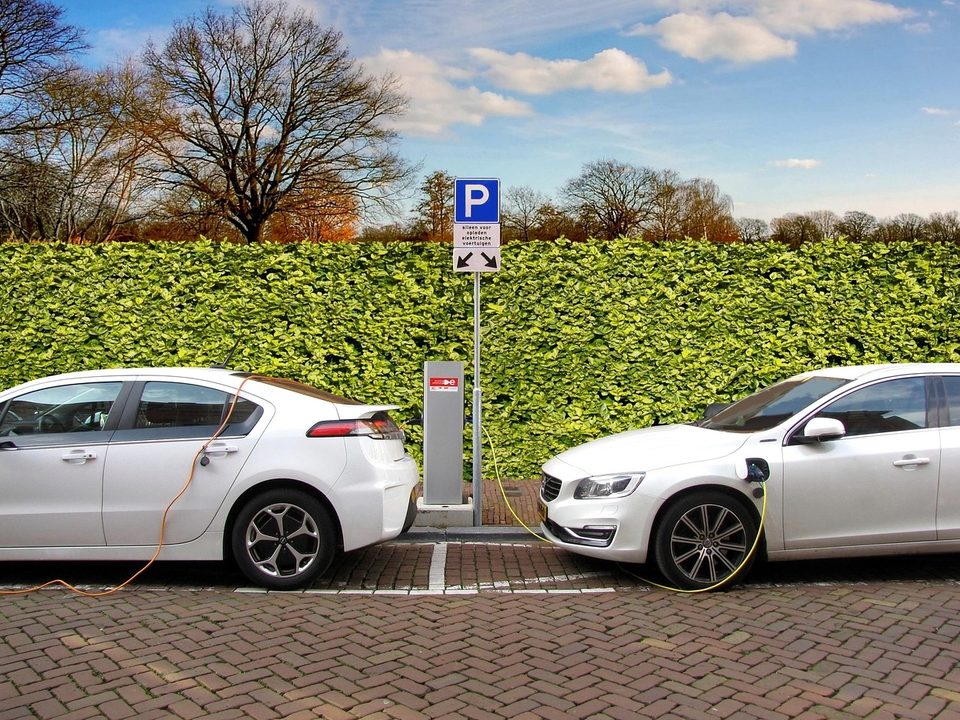
Current Challenges in Urban Transport
Modern city transport networks are under heavy strain. During peak commuting hours, main roads are often packed with vehicles and traffic crawls along. This wastes residents' time and concentrates exhaust emissions in densely populated areas. Meanwhile, private cars also take up large amounts of road and land space, making valuable urban space even tighter. These problems are closely linked, which means cities cannot solve them simply by building more roads. We need to rethink how people move around.
Another difficulty for urban transport lies in the variety of travel needs. Some people commute at fixed times every day, some only go out occasionally on weekends to shop or visit friends and family, and others need to handle short-notice errands. If every trip depended on private cars, most vehicles would sit idle for much of the time and resource use would be inefficient. If everything relied on public transport, it would not always be convenient in every location or at every hour. Meeting these different levels of demand is a challenge that both planners and residents must face.
Environmental and health concerns also cannot be ignored. Vehicle exhaust and noise affect residents' quality of life, and long hours stuck in traffic add to drivers' stress. In pursuing sustainable development, cities need travel options that are more efficient and produce less pollution. Understanding these challenges helps explain why car sharing and the idea of eco-friendly travel are attracting growing attention.
The Role of Shared Cars in Getting Around
The core idea of car sharing is that several people use the same vehicle in a flexible way, rather than each person owning one. Users can take a car for a short period when they actually need it, then return it after the trip, without bearing the costs of buying a car, long-term maintenance and parking. For people who only drive occasionally, this arrangement is often a better fit, and it prevents cars from sitting unused on the street for long stretches.
From an environmental perspective, the value of car sharing lies in reducing unnecessary car ownership. When one shared car serves many users, the total number of vehicles in the city has the potential to fall, and the demand for parking spaces decreases accordingly. This frees up road and land space, allowing the city to devote more resources to pedestrian walkways, cycle tracks and greenery, creating a more comfortable living environment for residents.
However, the role of car sharing should be viewed realistically. It is not a cure-all, nor does it mean that every trip should be made by car. Its real value lies in being used in the right situations, such as covering short distances that public transport does not reach, or providing convenience when goods need to be carried. Only when users make sensible choices can car sharing truly have a positive impact on urban mobility.
- On-demand use reduces idle vehicles
- Helps cut the total number of cars and parking demand in the city
- Suited to people who drive occasionally or need to handle last-minute trips
- Should be used sensibly alongside public transport, not to replace every trip
Complementing Public Transport
Public transport, such as the MTR, railways and buses, has clear advantages in moving large numbers of passengers and forms the backbone of urban mobility. However, its routes and timetables are fixed, and it may not offer the most direct connection between a starting point and a destination. Many people still have to walk or transfer after reaching a station before arriving at their final destination, and this "last mile" often becomes a barrier to travel. Car sharing can play a supporting role precisely at this stage.
The complementary relationship between the two shows up in how different distances and needs are served. Long-distance trips or main journeys during peak hours are best handled by high-capacity public transport, while short connections, the stretch to and from a station, or specific trips when bus or train services are sparse can be made by shared car. This division of labour helps reduce private car use in the urban core while keeping travel convenient.
For this complementary relationship to work well, residents need an overall understanding of the different modes of transport and must be able to compare them in terms of route, time and cost. When people can move flexibly between the MTR, buses, walking, bicycles and shared cars, the city's transport system becomes more resilient and adaptable. This also reminds us that eco-friendly travel is not about choosing a single tool, but about arranging the overall combination of trips sensibly.
Benefits of Reducing Private Car Use
Cutting private car use directly helps urban air quality, noise levels and road congestion. When a car shifts from daily commuting to on-demand use, it no longer occupies roadside parking spaces for the rest of the time, nor does it keep emitting exhaust. For residents, this means wider streets and safer, more pleasant conditions for walking and cycling. Car sharing lets people drive when they need to, rather than keeping a car for occasional outings, and this shift is one of the key ways to cut carbon emissions.
Viewed from the perspective of the city as a whole, fewer private cars also mean less demand for parking space. Land once used to park idle vehicles can be converted into pedestrian walkways, green areas or public activity spaces, making urban space more flexible. In addition, with fewer vehicles, the resource consumption linked to their maintenance, replacement and scrapping also falls. These effects are not easy to quantify with a single figure, but over the long term their cumulative benefit to the urban environment is considerable.
However, the benefits of reducing private car use do not arise automatically; it requires users to make choices and is supported by well-designed services. If shared cars merely replace short trips that would otherwise be made on foot or by public transport, they may in fact increase vehicle traffic. The ideal approach, therefore, is for shared cars to fill the gaps that public transport cannot cover, such as moving bulky items or travelling to the suburbs, so they become part of an overall low-carbon mobility network rather than replacing greener options.
Changes in personal travel habits
For individuals, changing travel habits often begins with a simple decision. When people start weighing the real cost and convenience of each car trip, they tend to compare options more rationally, for example considering walking, cycling or public transport first and driving only when needed. This needs-based thinking reduces the habit of automatically taking the car out. Building the habit of assessing before travelling has positive benefits for both individuals and society.
Changing habits does not mean giving up private cars entirely, but rather making more suitable arrangements in different situations. For example, one might still commute by rail on workdays and use a shared car only for weekend shopping or hiking trips; this combination is both flexible and energy-efficient. Users can also gradually work out a travel rhythm that suits them and pay attention to the purpose and distance of each trip. Over time, this deliberate choice will gradually become part of daily life.
To make habits last, the support of the environment and tools is equally important. Clear route information, convenient booking methods and connections with other transport modes can all lower the barrier to change. When users can compare different travel options on one platform, it becomes easier to make decisions that serve environmental goals. Personal change and service improvement should therefore complement each other and together drive the transformation of how the city moves.
- Consider whether walking or cycling is sufficient first
- Give priority to public transport as the main mode of travel
- Use shared cars only when carrying items or going to areas with less transport
- Compare the time and cost of different travel options
- Review your travel habits regularly and make adjustments
How urban planning can help
If urban planning deliberately accommodates shared cars, it can make green travel run more smoothly. For example, setting up shared parking spaces near rail stations, bus termini and residential areas makes it easier for users to switch between transport modes. Planners could also consider converting some kerbside parking bays into dedicated shared-car zones, which both raises vehicle utilisation and reduces the unnecessary driving caused by searching for parking. These arrangements allow shared cars to fit naturally into the city's transport network.
In spatial design, pedestrian and cycling routes should connect with the parking locations of shared cars, forming clear links between modes. Good signage, safe footpaths and adequate lighting can all boost users' confidence and encourage them to walk or cycle to the parking spaces. In addition, planning departments may consider closely linking high-density developments with public transport hubs, so that more residents can meet their daily needs without long car journeys.
Policy also plays an important role. Through sound parking management, appropriate charging arrangements and support for environmentally friendly vehicles, the government and relevant bodies can guide the public towards choices that better serve carbon-reduction targets. Coordination between planning and services helps ensure that shared cars and public transport complement rather than compete with each other. When the city's overall planning direction is consistent, green travel will gradually develop from individual choices into the norm of urban life.
Key Takeaways
-
Reduce private cars Reducing the use of private cars can improve air quality, lower noise and road congestion, and free up more urban space.
-
Complement, not replace Shared cars deliver their greatest environmental value by meeting travel needs that public transport does not cover, rather than replacing walking and public transport.
-
Planning and habits in equal measure For green travel to keep developing, users need to change their travel habits, while urban planning and service design must also work together.
This content is for general information only and does not constitute professional advice.